Your Collegiate gothic architecture characteristics images are ready. Collegiate gothic architecture characteristics are a topic that is being searched for and liked by netizens today. You can Find and Download the Collegiate gothic architecture characteristics files here. Get all free photos and vectors.
If you’re searching for collegiate gothic architecture characteristics images information linked to the collegiate gothic architecture characteristics interest, you have visit the ideal site. Our website frequently gives you suggestions for seeing the maximum quality video and image content, please kindly surf and find more informative video articles and images that fit your interests.
Collegiate Gothic Architecture Characteristics. Collegiate Gothic furnished places designed for losing track of time. Part of the Late Gothic Revival Collegiate Gothic was first popularized in the 1880s and was popular in Edmonton during the first decades of the 20th century. A form of historicist architecture it took its inspiration from English Tudor and Gothic buildings. The Collegiate Gothic Revival style is an early 20th century adaptation of the 19th century Gothic Revival style to serve a specific function educational buildings.
 Jstor Org From
Like the early forms of Gothic on the Continent the English variety arose out of the efforts of cathedral architects and masons to. In the United States Collegiate Gothic was a late and literal resurgence of the English Gothic Revival adapted for American university campuses. Collegiate Gothic is an architectural style subgenre of Gothic Revival architecture popular in the late-19th and early-20th centuries for college and high school buildings in the United States and Canada and to a certain extent Europe. Victorian period Gothic Structure. The term Collegiate Gothic originated from American architect Alexander Jackson Daviss handwritten description of his own English Collegiate Gothic Mansion of 1853 for the Harrals of Bridgeport. Collegiate Gothic is an architectural style subgenre of Gothic Revival architecture popular in the late-19th and early-20th centuries for college and high school buildings in the United States and Canada and to a certain extent Europe.
To fathom fully the reception of Our Ladys Tumbler and its clan in the United States we must come to terms with the countrys turn to collegiate Gothic during the late nineteenth and early twentieth centuries.
Collegiate Gothic furnished places designed for losing track of time. Early English Gothic 1180-1250 As mentioned above Early English Gothic architecture began to replace Norman architecture from about 1180 and lasted until about 1250 when it gave way to Decorated Gothic. A form of historicist architecture it took its inspiration from English Tudor and Gothic buildings. The Gothic Revival style which flourished from the period of 1830 through 1890 in the United States was often chosen for churches and institutional buildings due to its impressive medievally-inspired form. The Gothic technique - extending from the 12th to 16th centuries - was a predominant architectural style of the medieval era bookended by the Romanesque and the Renaissance periods. Loyolas Collegiate Gothic Architecture.
 Source: study.com
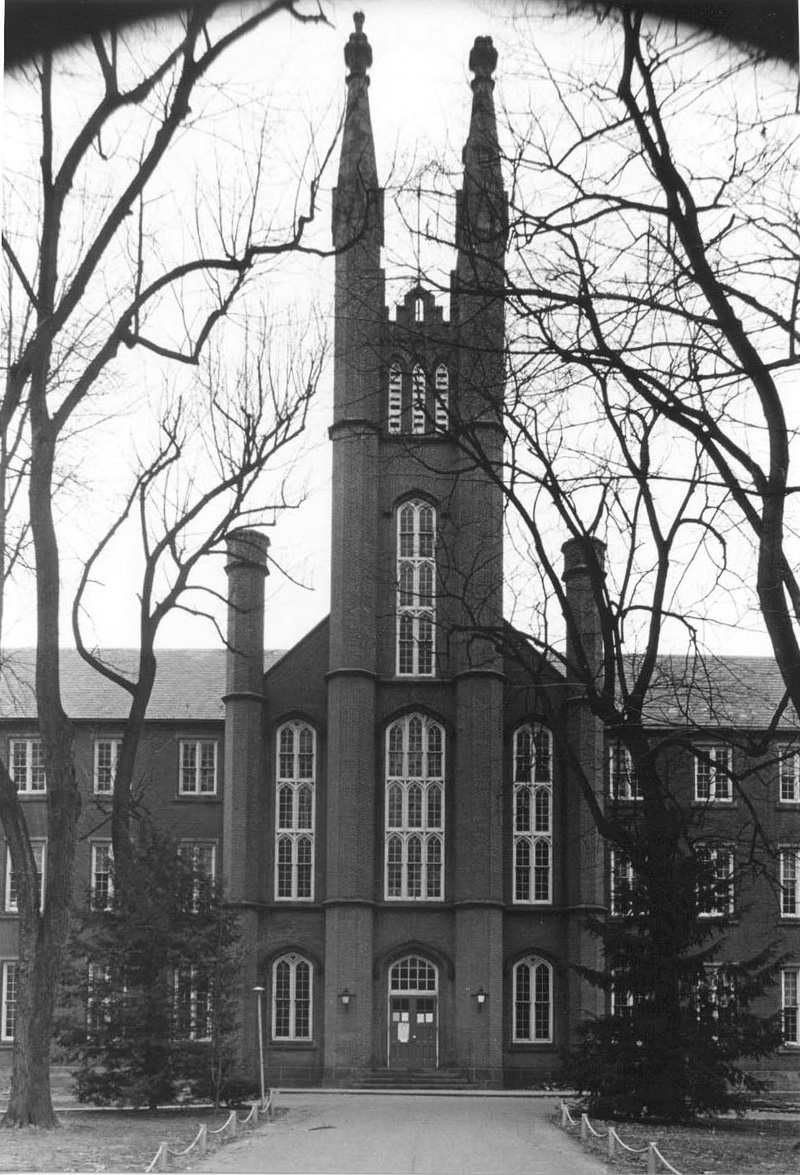
The gothic style of architecture originated in Europes Middle Ages. 10 Defining Characteristics of Gothic Architecture. Typically Collegiate Gothic constructions have an oblong plan. The academic buildings on the north side of the Drill Field feature battlements which work into the Gothic style to. Gothic architecture is a building style that was popular throughout Europe from the twelfth to sixteenth centuries.
 Source: phmc.state.pa.us
It is characterized by vertical proportions pointed arches external buttressing and asymmetry. 10 Defining Characteristics of Gothic Architecture. The term Collegiate Gothic originated from American architect Alexander Jackson Daviss handwritten description of his own English Collegiate Gothic Mansion of 1853 for the Harrals of Bridgeport. The Collegiate Gothic subtype became the favoured architectural style for places of higher learning and can be seen in college and university campuses across Canada. The Collegiate Gothic Revival style is an early 20th century adaptation of the 19th century Gothic Revival style to serve a specific function educational buildings.
 Source: phmc.state.pa.us
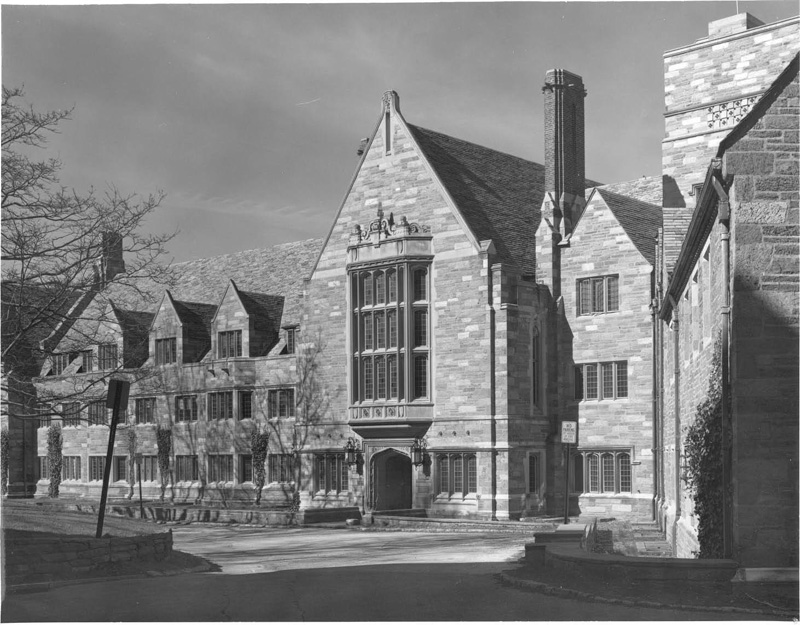
The academic buildings on the north side of the Drill Field feature battlements which work into the Gothic style to. It has returned in the 21st century in the form of. Typically Collegiate Gothic constructions have an oblong plan. Like the early forms of Gothic on the Continent the English variety arose out of the efforts of cathedral architects and masons to. Characteristics of Gothic Architecture.
 Source: loyola.edu
A dormer is a window set upright on a sloping roof usually under a triangular gable. In the United States Collegiate Gothic was a late and literal resurgence of the English Gothic Revival adapted for American university campuses. Gothic architecture is a building style that was popular throughout Europe from the twelfth to sixteenth centuries. When the founders of Duke were deciding what the. Name given to a treatment of a railing or low wall in which an upright section alternates with a space in.
 Source: study.com
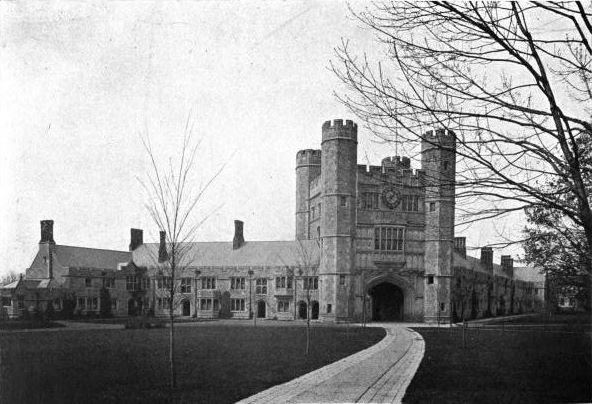
Early English Gothic 1180-1250 As mentioned above Early English Gothic architecture began to replace Norman architecture from about 1180 and lasted until about 1250 when it gave way to Decorated Gothic. Typically Collegiate Gothic constructions have an oblong plan. Collegiate Gothic is an architectural style subgenre of Gothic Revival architecture popular in the late-19th and early-20th centuries for college and high school buildings in the United States and Canada and to a certain extent Europe. The purple brick constructing designed by Kansas Metropolis Missouri architect Ernest Olaf. A term for the version of Gothic architecture that was characteristic of the colleges at Oxford and Cambridge England and adapted as the style for a number of American colleges in the late nineteenth and early twentieth centuries.
Source:
Like the early forms of Gothic on the Continent the English variety arose out of the efforts of cathedral architects and masons to. Part of the Late Gothic Revival Collegiate Gothic was first popularized in the 1880s and was popular in Edmonton during the first decades of the 20th century. Early English Gothic 1180-1250 As mentioned above Early English Gothic architecture began to replace Norman architecture from about 1180 and lasted until about 1250 when it gave way to Decorated Gothic. It is characterized by vertical proportions pointed arches external buttressing and asymmetry. 11 Collegiate Gothic Architecture Characteristics.
 Source: loyola.edu
Early English Gothic 1180-1250 As mentioned above Early English Gothic architecture began to replace Norman architecture from about 1180 and lasted until about 1250 when it gave way to Decorated Gothic. The gothic style of architecture originated in Europes Middle Ages. The Collegiate Gothic subtype became the favoured architectural style for places of higher learning and can be seen in college and university campuses across Canada. It is characterized by vertical proportions pointed arches external buttressing and asymmetry. A term for the version of Gothic architecture that was characteristic of the colleges at Oxford and Cambridge England and adapted as the style for a number of American colleges in the late nineteenth and early twentieth centuries.
Source:
The gothic style of architecture originated in Europes Middle Ages. A term for the version of Gothic architecture that was characteristic of the colleges at Oxford and Cambridge England and adapted as the style for a number of American colleges in the late nineteenth and early twentieth centuries. The term Collegiate Gothic derives from Gothic Revival an architectural style inspired by medieval Gothic architecture. Early English Gothic 1180-1250 As mentioned above Early English Gothic architecture began to replace Norman architecture from about 1180 and lasted until about 1250 when it gave way to Decorated Gothic. In the Collegiate Gothic style complete with the characteristic rough stone lancet-arched doors and windows and corner towers.
 Source: facilities.duke.edu
Loyolas Collegiate Gothic Architecture. The Collegiate Gothic Revival style is an early 20th century adaptation of the 19th century Gothic Revival style to serve a specific function educational buildings. Loyolas Collegiate Gothic Architecture. It is characterized by vertical proportions pointed arches external buttressing and asymmetry. Collegiate Gothic is an architectural style subgenre of Gothic Revival architecture popular in the late-19th and early-20th centuries for college and high school buildings in the United States and Canada and to a certain extent Europe.
 Source: loyola.edu
A dormer is a window set upright on a sloping roof usually under a triangular gable. It is characterized by vertical proportions pointed arches external buttressing and asymmetry. Characteristics of the Collegiate Gothic Style Crenelation. The Collegiate Gothic Revival style is an early 20th century adaptation of the 19th century Gothic Revival style to serve a specific function educational buildings. Gothic architecture is a building style that was popular throughout Europe from the twelfth to sixteenth centuries.
 Source: facilities.duke.edu
The Gothic technique - extending from the 12th to 16th centuries - was a predominant architectural style of the medieval era bookended by the Romanesque and the Renaissance periods. Name given to a treatment of a railing or low wall in which an upright section alternates with a space in. Beginning in the mid-18th century Gothic Revival became a leading building style during the 19th century and was often employed because of its moral overtones for academic political and religious buildings. Characteristics of Gothic Architecture. The term Collegiate Gothic derives from Gothic Revival an architectural style inspired by medieval Gothic architecture.
 Source: pinterest.com
In the Collegiate Gothic style complete with the characteristic rough stone lancet-arched doors and windows and corner towers. The eye of the storm in their own unflustered frenzy of activity. Beginning in the mid-18th century Gothic Revival became a leading building style during the 19th century and was often employed because of its moral overtones for academic political and religious buildings. The gothic style of architecture originated in Europes Middle Ages. The Gothic technique - extending from the 12th to 16th centuries - was a predominant architectural style of the medieval era bookended by the Romanesque and the Renaissance periods.
 Source: hisour.com
Victorian period Gothic Structure. The Collegiate Gothic subtype became the favoured architectural style for places of higher learning and can be seen in college and university campuses across Canada. Characteristics of Gothic Architecture. It marks a definitive shift from the earlier dumpy Romanesque churches to lighter taller cathedrals - the. Gothic architecture is a building style that was popular throughout Europe from the twelfth to sixteenth centuries.
 Source: loyola.edu
The academic buildings on the north side of the Drill Field feature battlements which work into the Gothic style to. Name given to a treatment of a railing or low wall in which an upright section alternates with a space in. A term for the version of Gothic architecture that was characteristic of the colleges at Oxford and Cambridge England and adapted as the style for a number of American colleges in the late nineteenth and early twentieth centuries. Part of the Late Gothic Revival Collegiate Gothic was first popularized in the 1880s and was popular in Edmonton during the first decades of the 20th century. Characteristics of the Collegiate Gothic Style.
 Source: loyola.edu
العالم اليوم Altering The Title Of The School Of Public And Int Princeton College College Structure Landmark. 11 Collegiate Gothic Architecture Characteristics. Typically Collegiate Gothic constructions have an oblong plan. A form of historicist architecture it took its inspiration from English Tudor and Gothic buildings. It has returned in the 21st century in the form of.
 Source: loyola.edu
The gothic style of architecture originated in Europes Middle Ages. When the founders of Duke were deciding what the. Collegiate Gothic is an architectural style subgenre of Gothic Revival architecture popular in the late-19th and early-20th centuries for college and high school buildings in the United States and Canada and to a certain extent Europe. Beginning in the mid-18th century Gothic Revival became a leading building style during the 19th century and was often employed because of its moral overtones for academic political and religious buildings. The term Collegiate Gothic derives from Gothic Revival an architectural style inspired by medieval Gothic architecture.
 Source: study.com
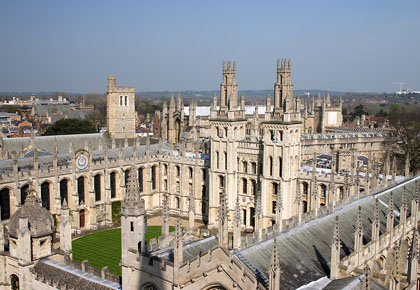
Part of the Late Gothic Revival Collegiate Gothic was first popularized in the 1880s and was popular in Edmonton during the first decades of the 20th century. A term for the version of Gothic architecture that was characteristic of the colleges at Oxford and Cambridge England and adapted as the style for a number of American colleges in the late nineteenth and early twentieth centuries. The term Collegiate Gothic derives from Gothic Revival an architectural style inspired by medieval Gothic architecture. Collegiate Gothic is an architectural style subgenre of Gothic Revival architecture popular in the late-19th and early-20th centuries for college and high school buildings in the United States and Canada and to a certain extent Europe. This was the Victorian Gothic of the 1860s and 70s.
 Source: dahp.wa.gov
It marks a definitive shift from the earlier dumpy Romanesque churches to lighter taller cathedrals - the. Beginning in the mid-18th century Gothic Revival became a leading building style during the 19th century and was often employed because of its moral overtones for academic political and religious buildings. Collegiate Gothic is an architectural style subgenre of Gothic Revival architecture popular in the late-19th and early-20th centuries for college and high school buildings in the United States and Canada and to a certain extent Europe. A form of historicist architecture it took its inspiration from English Tudor and Gothic buildings. A term for the version of Gothic architecture that was characteristic of the colleges at Oxford and Cambridge England and adapted as the style for a number of American colleges in the late nineteenth and early twentieth centuries.
This site is an open community for users to do submittion their favorite wallpapers on the internet, all images or pictures in this website are for personal wallpaper use only, it is stricly prohibited to use this wallpaper for commercial purposes, if you are the author and find this image is shared without your permission, please kindly raise a DMCA report to Us.
If you find this site beneficial, please support us by sharing this posts to your preference social media accounts like Facebook, Instagram and so on or you can also bookmark this blog page with the title collegiate gothic architecture characteristics by using Ctrl + D for devices a laptop with a Windows operating system or Command + D for laptops with an Apple operating system. If you use a smartphone, you can also use the drawer menu of the browser you are using. Whether it’s a Windows, Mac, iOS or Android operating system, you will still be able to bookmark this website.


