Your History gothic architecture images are ready. History gothic architecture are a topic that is being searched for and liked by netizens today. You can Download the History gothic architecture files here. Download all free photos.
If you’re looking for history gothic architecture images information related to the history gothic architecture topic, you have come to the right blog. Our website frequently gives you hints for seeing the maximum quality video and picture content, please kindly hunt and find more informative video articles and images that fit your interests.
History Gothic Architecture. Originating in 12th century France and lasting into the 16th century Gothic architecture was known during the period as Opus Francigenum French work with the term. Need essay writing help. Architecturewas the main art form of the Gothic and the main structural characteristics of Gothic. Early High and Late.
 Gothic Architecture 72 Rare Vintage Books Pdf On Dvd Rom Cathedrals Gothic Buildings Medieval Arc Gothic Buildings Gothic Architecture Cathedral Architecture From pinterest.com
In the 12th13th century feats of engineering permitted increasingly gigantic buildings. Originating in 12th century France and lasting into the 16th century Gothic architecture was known during the period as Opus Francigenum French work with the term. The Gothic technique extending from the 12th to 16th centuries was a predominant architectural style of the medieval era bookended by the Romanesque and the Renaissance periods. Gothic architecture architectural style in Europe that lasted from the mid-12th century to the 16th century particularly a style of masonry building characterized by cavernous spaces with the expanse of walls broken up by overlaid tracery. It lasted until the 16th century Romanesque buildings had thick walls small windows round arches and flat buttresses. Each is characterized by different design elements styles and engineering advancements.
Although the Gothic architecture gradually became very popular so much so that all kinds of structures churches castles palaces cathedrals public buildings and so on began to be either fully or partially built in the style the largest number of Gothic edifices to have survived till today are of ecclesiastical nature.
Oct 2014Medieval historian Dr Janina Ramirez loo. It evolved from Romanesque architecture and was succeeded by Renaissance architecture. This view underlies his commission about 1140 AD to raise a new. Suger expounded his theory of God as the supernatural light transforming everything material and mortal into immateriality. Gothic architecture was originally referred to as Opus Francigenum or French Work until the 16th century when it became known as Gothic The rich history of Gothic architecture is divided into three distinct phases. History of Gothic architecture While scholasticism was rising in Europe the French Abbot Suger corresponded with the theologist Dionysius in Syria who united Neoplatonism with Christianity.
 Source: pinterest.com
History of Gothic architecture While scholasticism was rising in Europe the French Abbot Suger corresponded with the theologist Dionysius in Syria who united Neoplatonism with Christianity. Each is characterized by different design elements styles and engineering advancements. History of Gothic architecture While scholasticism was rising in Europe the French Abbot Suger corresponded with the theologist Dionysius in Syria who united Neoplatonism with Christianity. Gothic architecture in Britain has been neatly divided into four periods or styles. Suger expounded his theory of God as the supernatural light transforming everything material and mortal into immateriality.
 Source: pinterest.com
Ad Über 7 Millionen englischsprachige Bücher. Suger expounded his theory of God as the supernatural light transforming everything material and mortal into immateriality. It began in France in the 12th century. In his 1817 work. Gothic architecture architectural style in Europe that lasted from the mid-12th century to the 16th century particularly a style of masonry building characterized by cavernous spaces with the expanse of walls broken up by overlaid tracery.
 Source: pinterest.com
This view underlies his commission about 1140 AD to raise a new. Early High and Late. The architectural tradition now known as Gothic flourished across most of Europe throughout the later Middle Ages producing spectacular structures that dominate their home cities even in the 21st century such as the cathedrals of Chartres Lincoln Strasbourg Milan and. Gothic architecture is a building style that was popular throughout Europe from the twelfth to sixteenth centuries. Gothic architecture in Britain has been neatly divided into four periods or styles.
Source: pinterest.com
Architecturewas the main art form of the Gothic and the main structural characteristics of Gothic. Gothic architecture began with a series of experiments which were conducted to fulfil specific requests by patrons and to accommodate the ever-growing number of pilgrims visiting sites that housed precious relics. In his 1817 work. This view underlies his commission about 1140 AD to raise a new. The Gothic style grew out of Romanesque architecture.
 Source: pinterest.com
In the 12th13th century feats of engineering permitted increasingly gigantic buildings. It was heavily ornate and conceptual with its architecture characterised by high buildings intricate aesthetics cavernous spaces and expansive walls. History of Gothic Architecture 1. Gothic architecture in Britain has been neatly divided into four periods or styles. The Gothic grew out of the Romanesque architectural style when both prosperity and relative peace allowed for several centuries of cultural development and great building schemes.
 Source: pinterest.com
In the 12th13th century feats of engineering permitted increasingly gigantic buildings. Learn more about Gothic architecture its characteristics and its history. History of Gothic Architecture 1. It lasted until the 16th century Romanesque buildings had thick walls small windows round arches and flat buttresses. Oct 2014Medieval historian Dr Janina Ramirez loo.
 Source: pinterest.com
Gothic architecture is an architectural style that flourished in Europe during the High and Late Middle Ages. It began in France in the 12th century. The development of the private major metropolitan cemeteries. Gothic architecture is an architectural style that flourished in Europe during the High and Late Middle Ages. History of Gothic Architecture 1.
 Source: pinterest.com
The person who did the dividing that has been obediently followed by subsequent generations of writers and historians was Thomas Rickman 1776-1841. Suger expounded his theory of God as the supernatural light transforming everything material and mortal into immateriality. From roughly 1000 to 1400 several significant cathedrals and churches were built particularly in Britain and France offering architects and masons a chance to work out ever more complex and. Gothic architecture began with a series of experiments which were conducted to fulfil specific requests by patrons and to accommodate the ever-growing number of pilgrims visiting sites that housed precious relics. Gothic architecture is a building style that was popular throughout Europe from the twelfth to sixteenth centuries.
 Source: pinterest.com
It evolved from Romanesque architecture and was succeeded by Renaissance architecture. History the history of gothic architecture dates back to the 12th century and lasting through into 16th. Gothic architecture a pan-European style came about between the mid 12th century and the 16th century and is characterized mainly by masonry building style that uses cavernous spaces and walls broken by overlaid tracery. From roughly 1000 to 1400 several significant cathedrals and churches were built particularly in Britain and France offering architects and masons a chance to work out ever more complex and. Suger expounded his theory of God as the supernatural light transforming everything material and mortal into immateriality.
 Source: pinterest.com
Gothic buildings had thinner walls larger windows pointed arches and large buttresses. History of Gothic Architecture 1. Oct 2014Medieval historian Dr Janina Ramirez loo. Although the Gothic architecture gradually became very popular so much so that all kinds of structures churches castles palaces cathedrals public buildings and so on began to be either fully or partially built in the style the largest number of Gothic edifices to have survived till today are of ecclesiastical nature. A Brief History of Gothic Architecture.
 Source: pinterest.com
Gothic buildings had thinner walls larger windows pointed arches and large buttresses. It evolved from Romanesque architecture and was succeeded by Renaissance architecture. Gothic architecture is an architectural style that flourished in Europe during the High and Late Middle Ages. In his 1817 work. Although the Gothic architecture gradually became very popular so much so that all kinds of structures churches castles palaces cathedrals public buildings and so on began to be either fully or partially built in the style the largest number of Gothic edifices to have survived till today are of ecclesiastical nature.
 Source: pinterest.com
In his 1817 work. Gothic architecture architectural style in Europe that lasted from the mid-12th century to the 16th century particularly a style of masonry building characterized by cavernous spaces with the expanse of walls broken up by overlaid tracery. Gothic architecture began with a series of experiments which were conducted to fulfil specific requests by patrons and to accommodate the ever-growing number of pilgrims visiting sites that housed precious relics. The Gothic style of architecture and art originated in the Middle Ages and was prevalent in Europe between the mid-12th century and the 16th century. The Gothic style and architecture are rooted in French architecture but you can also find it in Europe and other continents.
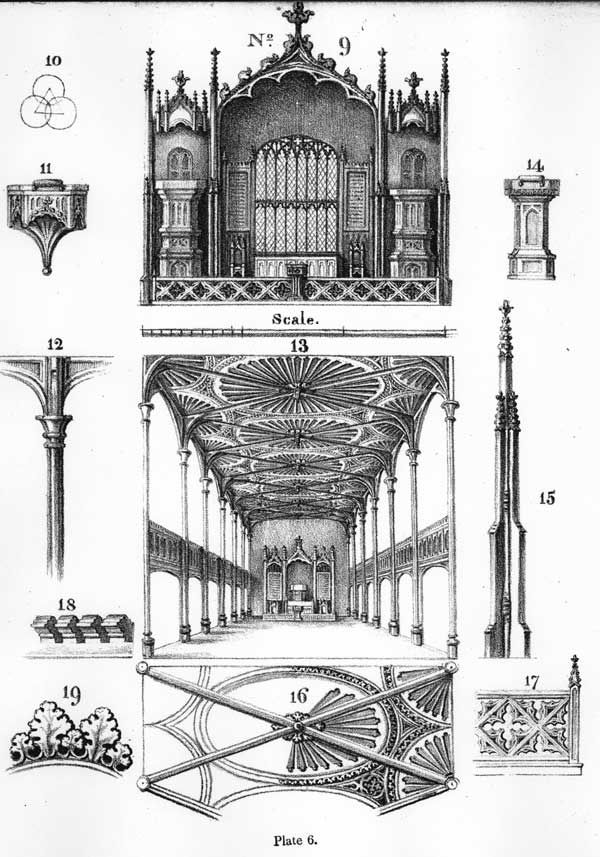 Source: pinterest.com
Gothic architecture a pan-European style came about between the mid 12th century and the 16th century and is characterized mainly by masonry building style that uses cavernous spaces and walls broken by overlaid tracery. Although the Gothic architecture gradually became very popular so much so that all kinds of structures churches castles palaces cathedrals public buildings and so on began to be either fully or partially built in the style the largest number of Gothic edifices to have survived till today are of ecclesiastical nature. Gothic architecture began with a series of experiments which were conducted to fulfil specific requests by patrons and to accommodate the ever-growing number of pilgrims visiting sites that housed precious relics. Numerous churches and cathedrals across Europe have been. The Gothic technique - extending from the 12th to 16th centuries - was a predominant architectural style of the medieval era bookended by the.
 Source: pinterest.com
This view underlies his commission about 1140 AD to raise a new. History of Gothic Architecture 1. Numerous churches and cathedrals across Europe have been. Of Gothic Architecture Gothic artevolved out of Romanesque artand lasted from the mid-12th century up to the late 16th century in some areas of Germany. History of Gothic architecture While scholasticism was rising in Europe the French Abbot Suger corresponded with the theologist Dionysius in Syria who united Neoplatonism with Christianity.
 Source: pinterest.com
The development of the private major metropolitan cemeteries. History of Gothic architecture While scholasticism was rising in Europe the French Abbot Suger corresponded with the theologist Dionysius in Syria who united Neoplatonism with Christianity. History of Gothic Architecture 1. Although the Gothic architecture gradually became very popular so much so that all kinds of structures churches castles palaces cathedrals public buildings and so on began to be either fully or partially built in the style the largest number of Gothic edifices to have survived till today are of ecclesiastical nature. Numerous churches and cathedrals across Europe have been.
 Source: pinterest.com
A Brief History of Gothic Architecture. The Gothic style of architecture and art originated in the Middle Ages and was prevalent in Europe between the mid-12th century and the 16th century. Gothic architecture architectural style in Europe that lasted from the mid-12th century to the 16th century particularly a style of masonry building characterized by cavernous spaces with the expanse of walls broken up by overlaid tracery. Oct 2014Medieval historian Dr Janina Ramirez loo. Gothic architecture was originally referred to as Opus Francigenum or French Work until the 16th century when it became known as Gothic The rich history of Gothic architecture is divided into three distinct phases.
 Source: pinterest.com
The development of the private major metropolitan cemeteries. Each is characterized by different design elements styles and engineering advancements. Oct 2014Medieval historian Dr Janina Ramirez loo. It began in France in the 12th century. The development of the private major metropolitan cemeteries.
 Source: pinterest.com
Gothic architecture is a building style that was popular throughout Europe from the twelfth to sixteenth centuries. Although the Gothic architecture gradually became very popular so much so that all kinds of structures churches castles palaces cathedrals public buildings and so on began to be either fully or partially built in the style the largest number of Gothic edifices to have survived till today are of ecclesiastical nature. In his 1817 work. The architectural tradition now known as Gothic flourished across most of Europe throughout the later Middle Ages producing spectacular structures that dominate their home cities even in the 21st century such as the cathedrals of Chartres Lincoln Strasbourg Milan and. Originating in 12th century France and lasting into the 16th century Gothic architecture was known during the period as Opus Francigenum French work with the term.
This site is an open community for users to do sharing their favorite wallpapers on the internet, all images or pictures in this website are for personal wallpaper use only, it is stricly prohibited to use this wallpaper for commercial purposes, if you are the author and find this image is shared without your permission, please kindly raise a DMCA report to Us.
If you find this site convienient, please support us by sharing this posts to your favorite social media accounts like Facebook, Instagram and so on or you can also save this blog page with the title history gothic architecture by using Ctrl + D for devices a laptop with a Windows operating system or Command + D for laptops with an Apple operating system. If you use a smartphone, you can also use the drawer menu of the browser you are using. Whether it’s a Windows, Mac, iOS or Android operating system, you will still be able to bookmark this website.


