Your Japanese architecture origin images are available in this site. Japanese architecture origin are a topic that is being searched for and liked by netizens today. You can Get the Japanese architecture origin files here. Get all free photos and vectors.
If you’re searching for japanese architecture origin images information linked to the japanese architecture origin interest, you have pay a visit to the right site. Our website always gives you hints for seeing the maximum quality video and picture content, please kindly surf and find more enlightening video content and images that match your interests.
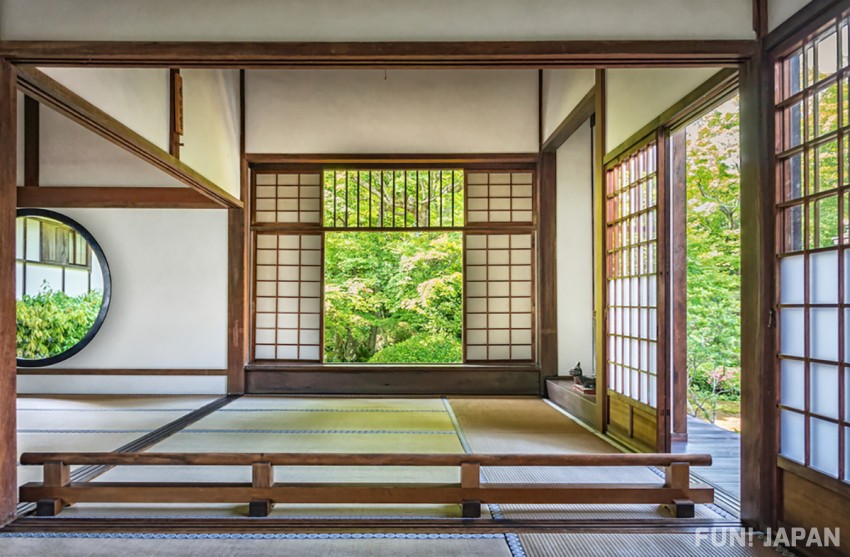
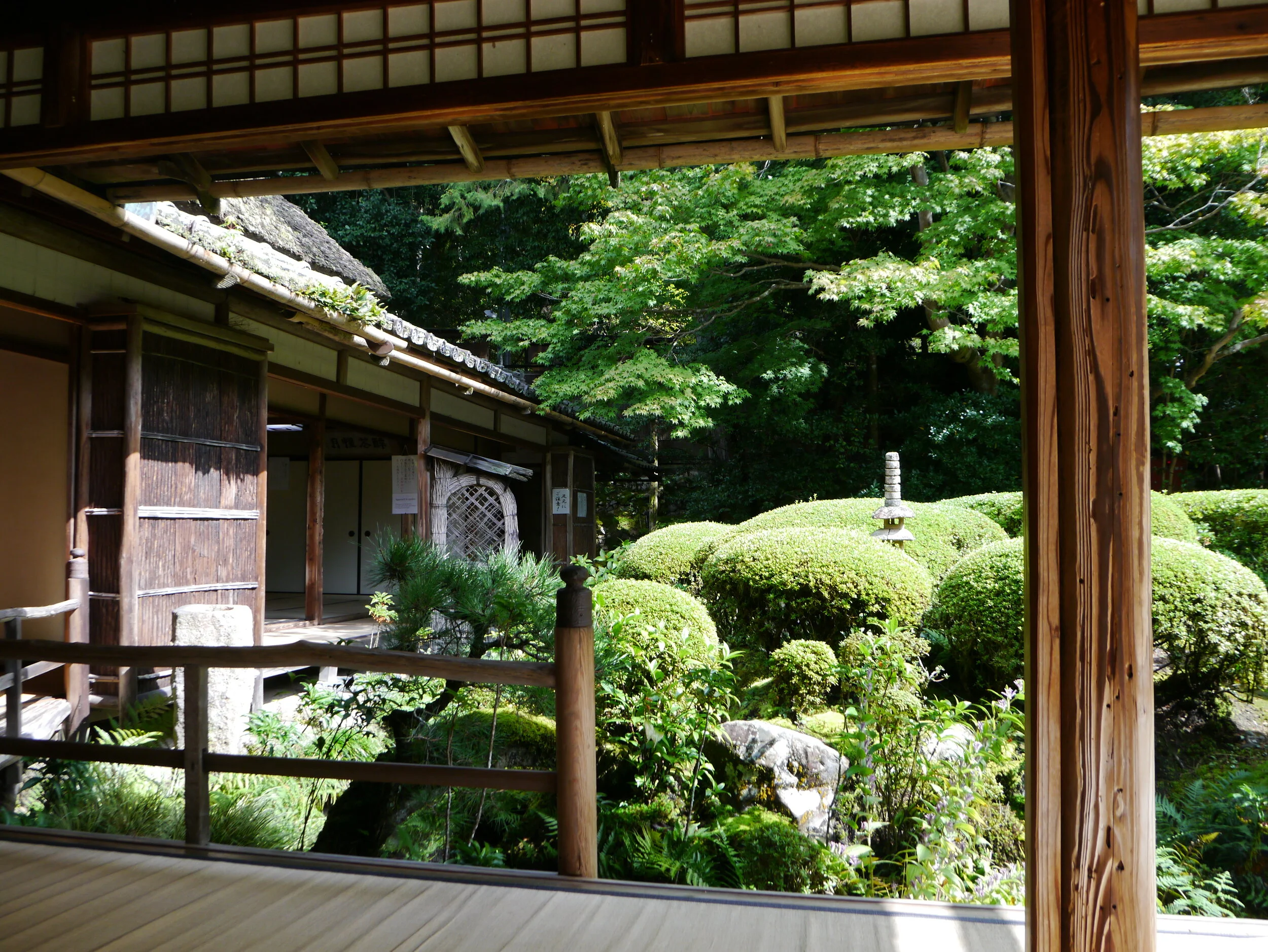
Japanese Architecture Origin. Zen minimalism defines Japanese design and aesthetics. Before you balk at the reductiveness of the title were well aware that the complexities of Japanese traditional architecture cannot be distilled into a short article. A lot of Japanese merchants used to build small gardens behind their shops and houses. From traditional Zen arts such as Zen rock garden to modern design - architecture by Tadao Ando Toyo Ito or Sou Fujimoto or products by MUJI - Zeroabundance explores the beauty of ultimate essentials leveraging the concept of kuu the core tenet of Buddhism.
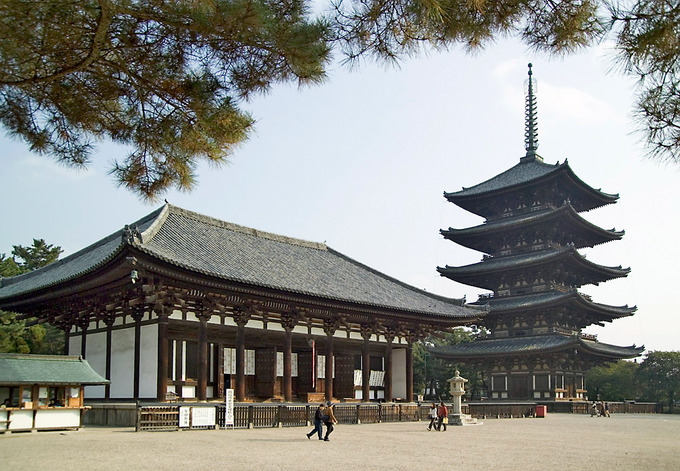 The Art And Architecture Of Ancient And Early Medieval Japan Brewminate We Re Never Far From Where We Were From brewminate.com
This resulted in the appearance of permanent settlements with bigger populations. Japanese Architecture of Ancient Times During the Asuka and Nara periods Japan adopted architectural techniques from China and the Korean Peninsula. It is considered to have begun in the fifth century BC. Japanese architecture has a very long history. In this post all well try to do is give. Japanese architecture the built structures of Japan and their context.
From traditional Zen arts such as Zen rock garden to modern design - architecture by Tadao Ando Toyo Ito or Sou Fujimoto or products by MUJI - Zeroabundance explores the beauty of ultimate essentials leveraging the concept of kuu the core tenet of Buddhism.
Zen minimalism defines Japanese design and aesthetics. The History of Japanese Architecture. At first this architectural style was highly influenced by China but had a little twist to it that came from the Japanese culture due to the available materials at hand. Before that Japanese homes were made only of wood with no flooring just the earth beneath. Early Japanese architecture from the Jomon Period 13000 BC to 300 BC has been characterised by the beginning of widespread rice farming. The Beginnings of the Tea House Later in the 9th century or known as the Heian period.
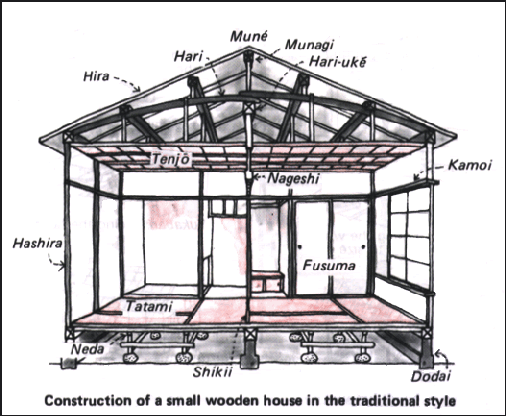 Source: factsanddetails.com
Whereas the exposed wood in Chinese buildings is painted in Japanese buildings it traditionally has not been. As stated earlier what we now think of as traditional Japanese architecture dates back all the way to the 7th century. The Beginnings of the Tea House Later in the 9th century or known as the Heian period. Before you balk at the reductiveness of the title were well aware that the complexities of Japanese traditional architecture cannot be distilled into a short article. It is considered to have begun in the fifth century BC.
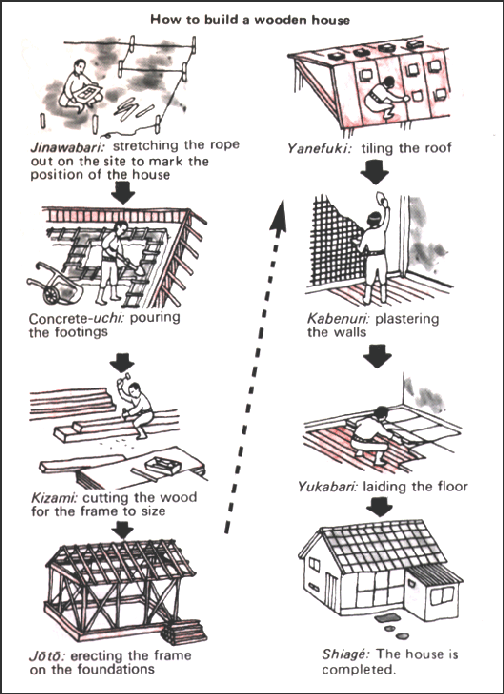 Source: factsanddetails.com
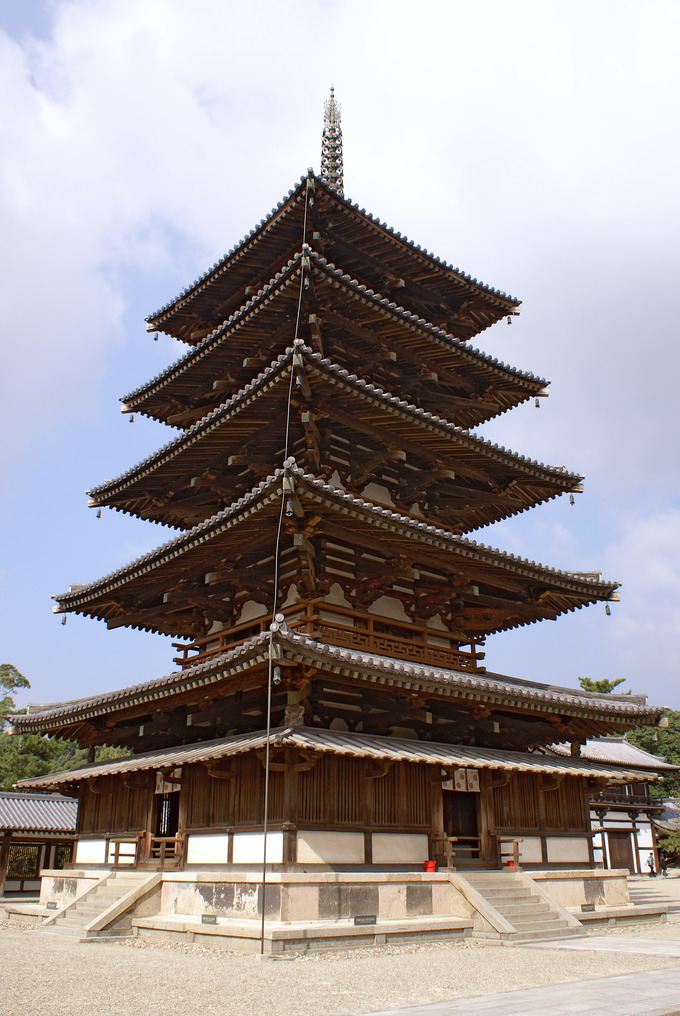
Japanese pagodas tiered towers with many roofs have now become synonymous with Japanese gardens culture and architecture. Japanese pagodas tiered towers with many roofs have now become synonymous with Japanese gardens culture and architecture. The distinct appearance of Japanese architecture started to manifest in about 57 BC. Some evidences of prehistoric architecture from this time has survived in the form of terra-cotta houses and pit houses built by the Japanese neolithic tribe known as Jomon. From traditional Zen arts such as Zen rock garden to modern design - architecture by Tadao Ando Toyo Ito or Sou Fujimoto or products by MUJI - Zeroabundance explores the beauty of ultimate essentials leveraging the concept of kuu the core tenet of Buddhism.
 Source: pinterest.com
They originate from ancient Indian stupas or ceremonial burial mounds. Wood is the most preferred material for Japanese traditional buildings due to the constant earthquake. Japanese Architecture of Ancient Times During the Asuka and Nara periods Japan adopted architectural techniques from China and the Korean Peninsula. It is considered to have begun in the fifth century BC. Tomes have been written about the origin styles and features of Japans old buildings.
 Source: insightguides.com
A film by Jesper Wachtmeister. Before you balk at the reductiveness of the title were well aware that the complexities of Japanese traditional architecture cannot be distilled into a short article. Even though it was first introduced in the Heian period but it actually was developed in the Edo period. Heavily influenced by Chinese and Korean architecture this is around the time that Japanese architecture began to take on its own distinctive look and feel and was largely dominated by wooden structures. From traditional Zen arts such as Zen rock garden to modern design - architecture by Tadao Ando Toyo Ito or Sou Fujimoto or products by MUJI - Zeroabundance explores the beauty of ultimate essentials leveraging the concept of kuu the core tenet of Buddhism.
 Source: fun-japan.jp
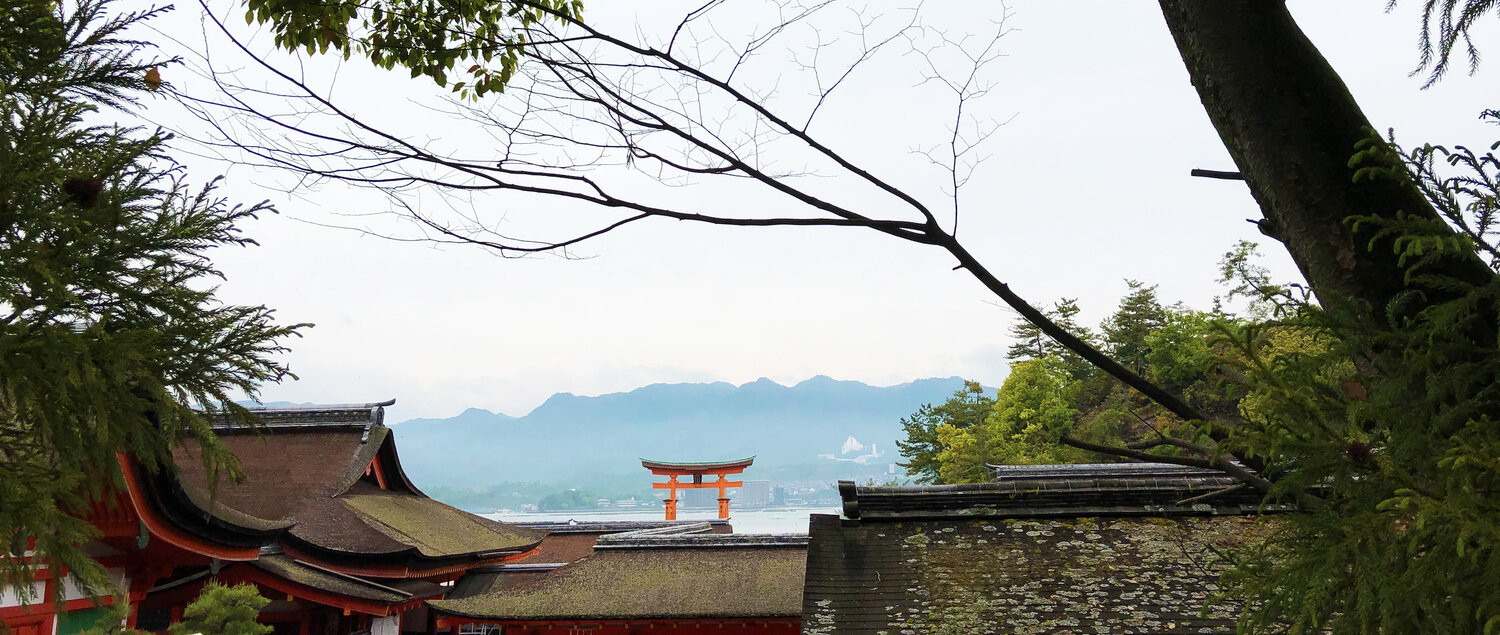
Before that Japanese homes were made only of wood with no flooring just the earth beneath. Historically architecture in Japan was influenced by Chinese architecture although the differences between the two are many. Heavily influenced by Chinese and Korean architecture this is around the time that Japanese architecture began to take on its own distinctive look and feel and was largely dominated by wooden structures. The construction of temples also began after the official introduction of Buddhism to Japan in 538. History of Japanese Architecture The distinct look of Japanese architecture began early-about 57 BC give or take.
 Source: toki.tokyo
Japanese Architecture of Ancient Times During the Asuka and Nara periods Japan adopted architectural techniques from China and the Korean Peninsula. A lot of Japanese merchants used to build small gardens behind their shops and houses. The distinct appearance of Japanese architecture started to manifest in about 57 BC. In this post all well try to do is give. KOCHUU is a visually stunning film about modern Japanese architecture its roots in the Japanese tradition and its impact on the Nordic building tradition.
 Source: factsanddetails.com
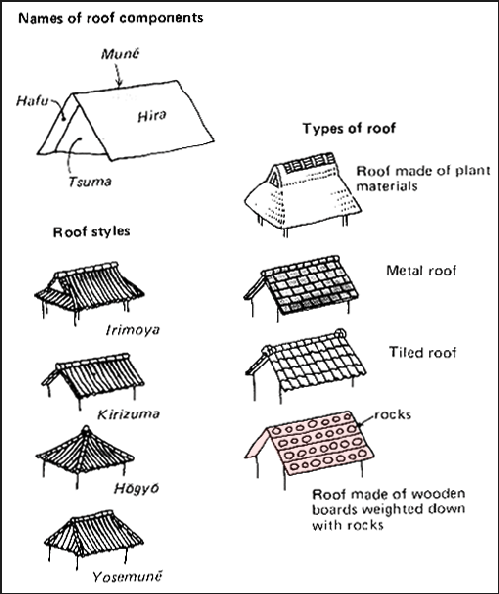
Heavily influenced by Chinese and Korean architecture this is around the time that Japanese architecture began to take on its own distinctive look and feel and was largely dominated by wooden structures. Some evidences of prehistoric architecture from this time has survived in the form of terra-cotta houses and pit houses built by the Japanese neolithic tribe known as Jomon. The oldest wooden architecture in Japan is Horyuji temple which is built in the 7th century and you can still see the beautiful temple after a long history of earthquakes and natural disasters. Japanese architecture has a very long history. KOCHUU is a visually stunning film about modern Japanese architecture its roots in the Japanese tradition and its impact on the Nordic building tradition.
 Source: toki.tokyo
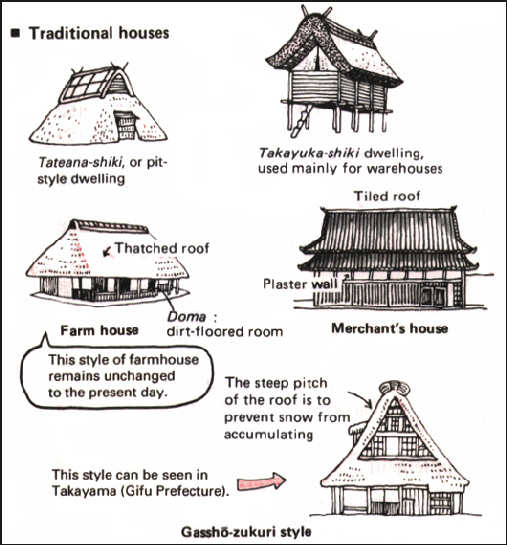
First well begin from the year 1868 with Japans emergence as a new nation. Prior to this point homes in Japan were made from wood with dirt floors and very little differentiating them from similar homes a thousand miles away. Zen minimalism defines Japanese design and aesthetics. A film by Jesper Wachtmeister. The oldest wooden architecture in Japan is Horyuji temple which is built in the 7th century and you can still see the beautiful temple after a long history of earthquakes and natural disasters.
 Source: factsanddetails.com
From traditional Zen arts such as Zen rock garden to modern design - architecture by Tadao Ando Toyo Ito or Sou Fujimoto or products by MUJI - Zeroabundance explores the beauty of ultimate essentials leveraging the concept of kuu the core tenet of Buddhism. First well begin from the year 1868 with Japans emergence as a new nation. The countrys architectural tradition is as long and deep as its own history. Japanese Architecture Influence OriginA film by Jesper WachtmeisterKOCHUU is a visually stunning film about modern Japanese architecture its roo. These basic elements are characteristic of most of Japanese traditional style architecture.
 Source: insightguides.com
Japanese architecture has a very long history. Also Chinese architecture was based on a lifestyle that included the use of chairs while in Japan. The countrys architectural tradition is as long and deep as its own history. It is considered to have begun in the fifth century BC. Tomes have been written about the origin styles and features of Japans old buildings.
 Source: pinterest.com
A pervasive characteristic of Japanese architectureand indeed of all the visual arts of Japanis an understanding of the natural world as a source of spiritual insight and an instructive mirror of. A lot of Japanese merchants used to build small gardens behind their shops and houses. First well begin from the year 1868 with Japans emergence as a new nation. Wood is the most preferred material for Japanese traditional buildings due to the constant earthquake. A film by Jesper Wachtmeister.
 Source: pinterest.com
Tomes have been written about the origin styles and features of Japans old buildings. Thats partly because of woods ability of absorbing. Japanese Architecture Influence OriginA film by Jesper WachtmeisterKOCHUU is a visually stunning film about modern Japanese architecture its roo. The countrys architectural tradition is as long and deep as its own history. These basic elements are characteristic of most of Japanese traditional style architecture.
 Source: press.ikidane-nippon.com
The countrys architectural tradition is as long and deep as its own history. They originate from ancient Indian stupas or ceremonial burial mounds. Japanese architecture the built structures of Japan and their context. KOCHUU is a visually stunning film about modern Japanese architecture its roots in the Japanese tradition and its impact on the Nordic building tradition. Heavily influenced by Chinese and Korean architecture this is around the time that Japanese architecture began to take on its own distinctive look and feel and was largely dominated by wooden structures.
Source: brewminate.com
A pervasive characteristic of Japanese architectureand indeed of all the visual arts of Japanis an understanding of the natural world as a source of spiritual insight and an instructive mirror of. Japanese architecture has a very long history. They originate from ancient Indian stupas or ceremonial burial mounds. We can trace back the origin of Japanese traditional design to around 67th century mainly through architecture such as Ise-Jingu Shrine or Horyuji. From traditional Zen arts such as Zen rock garden to modern design - architecture by Tadao Ando Toyo Ito or Sou Fujimoto or products by MUJI - Zeroabundance explores the beauty of ultimate essentials leveraging the concept of kuu the core tenet of Buddhism.
 Source: brewminate.com
This resulted in the appearance of permanent settlements with bigger populations. Tomes have been written about the origin styles and features of Japans old buildings. Prior to this point homes in Japan were made from wood with dirt floors and very little differentiating them from similar homes a thousand miles away. We can trace back the origin of Japanese traditional design to around 67th century mainly through architecture such as Ise-Jingu Shrine or Horyuji. These basic elements are characteristic of most of Japanese traditional style architecture.
 Source: toki.tokyo
This resulted in the appearance of permanent settlements with bigger populations. KOCHUU is a visually stunning film about modern Japanese architecture its roots in the Japanese tradition and its impact on the Nordic building tradition. We can trace back the origin of Japanese traditional design to around 67th century mainly through architecture such as Ise-Jingu Shrine or Horyuji. Japanese Architecture Influence Origin. These basic elements are characteristic of most of Japanese traditional style architecture.
 Source: toki.tokyo
We can trace back the origin of Japanese traditional design to around 67th century mainly through architecture such as Ise-Jingu Shrine or Horyuji. A film by Jesper Wachtmeister. Whereas the exposed wood in Chinese buildings is painted in Japanese buildings it traditionally has not been. These Japanese houses had a wood foundation and thatched straw. From traditional Zen arts such as Zen rock garden to modern design - architecture by Tadao Ando Toyo Ito or Sou Fujimoto or products by MUJI - Zeroabundance explores the beauty of ultimate essentials leveraging the concept of kuu the core tenet of Buddhism.
 Source: insightguides.com
The History of Japanese Architecture. Its new and increasingly Western-style capital city of Tokyo grew upon the foundations of a far smaller seventeenth-century town called Edo surrounding a feudal castle. Japanese pagodas tiered towers with many roofs have now become synonymous with Japanese gardens culture and architecture. A lot of Japanese merchants used to build small gardens behind their shops and houses. Some evidences of prehistoric architecture from this time has survived in the form of terra-cotta houses and pit houses built by the Japanese neolithic tribe known as Jomon.
This site is an open community for users to do submittion their favorite wallpapers on the internet, all images or pictures in this website are for personal wallpaper use only, it is stricly prohibited to use this wallpaper for commercial purposes, if you are the author and find this image is shared without your permission, please kindly raise a DMCA report to Us.
If you find this site adventageous, please support us by sharing this posts to your own social media accounts like Facebook, Instagram and so on or you can also save this blog page with the title japanese architecture origin by using Ctrl + D for devices a laptop with a Windows operating system or Command + D for laptops with an Apple operating system. If you use a smartphone, you can also use the drawer menu of the browser you are using. Whether it’s a Windows, Mac, iOS or Android operating system, you will still be able to bookmark this website.