Your Japanese architecture traditional images are ready. Japanese architecture traditional are a topic that is being searched for and liked by netizens now. You can Find and Download the Japanese architecture traditional files here. Get all royalty-free photos.
If you’re looking for japanese architecture traditional images information connected with to the japanese architecture traditional topic, you have visit the ideal blog. Our site frequently gives you suggestions for refferencing the highest quality video and image content, please kindly surf and locate more informative video content and images that fit your interests.
Japanese Architecture Traditional. Download this video clip and other motion backgrounds special effects After Effects templates and more. 18 Japanese Architecture Traditional. The symmetry of Chinese-style temple plans gave way to asymmetrical layouts that followed the specific contours of hilly and mountainous topography. Tange Kenzo one of Japans most famous and influential post-war architects managed to fuse traditional Japanese architecture with scientific and technological advancements.
 Pin On Japan Japanesetraditional Style From pinterest.com
Tange Kenzo one of Japans most famous and influential post-war architects managed to fuse traditional Japanese architecture with scientific and technological advancements. To express this reverence ancient architects developed ways of erecting wooden structures without the use of nails. Wood is the most preferred material for Japanese traditional buildings due to the constant earthquake. In the foreign1950s and 1960s he designed several striking. However these distinct architectural ideas. 7 Unique Elements of Japanese Traditional Architecture Wood.
Japanese architecture is centered on religion and because of that many of the.
Sliding doors fusuma were used in place of walls allowing the internal configuration of a space to be customized for different occasions. Traditional Japanese architecture is renowned throughout the world for being breathtakingly beautiful. The history of Japanese architecture is vast and extensive but well cover the. Whilst modern day Japan exemplifies innovative contemporary design and living. Japan has had many architectural influences throughout its history which has led to there being many different types of buildings. Materials Used in Japanese.
 Source: br.pinterest.com
The history of Japanese architecture is vast and extensive but well cover the. 7 Unique Elements of Japanese Traditional Architecture Wood. Japan has had many architectural influences throughout its history which has led to there being many different types of buildings. The symmetry of Chinese-style temple plans gave way to asymmetrical layouts that followed the specific contours of hilly and mountainous topography. Whilst modern day Japan exemplifies innovative contemporary design and living.
 Source: fr.pinterest.com
The borders existing between structures and the natural world were deliberately obscure. What Is Japanese Architecture. Whilst modern day Japan exemplifies innovative contemporary design and living. The borders existing between structures and the natural world were deliberately obscure. Traditional Japanese architecture can be characterized by the extensive use of wood master craftsmanship and elegant simplicity.
 Source: pinterest.com
Wood is the most preferred material for Japanese traditional buildings due to the constant earthquake. 7 Unique Elements of Japanese Traditional Architecture Wood. Japan is known for its contrasting architecture. Japan has had many architectural influences throughout its history which has led to there being many different types of buildings. Architecture seemed to conform to nature.
 Source: pinterest.com
Japanese architecture is centered on religion and because of that many of the. Materials Used in Japanese. Traditional Japanese architecture can be characterized by the extensive use of wood master craftsmanship and elegant simplicity. For only 1605 11page. Continuation of efforts to reconcile traditional and modern architecture.
 Source: pinterest.com
18 Japanese Architecture Traditional. Japanese architecture is centered on religion and because of that many of the. Japanese architecture has traditionally been typified by wooden structures elevated slightly off the ground with tiled or thatched roofs. Traditional Japanese architecture is renowned throughout the world for being breathtakingly beautiful. The single most defining characteristic of traditional Japanese architecture is the use of wood.
 Source: pinterest.com
Parts of traditional Japanese sukiya residential structure resembling a silhouette outlined by lengthy steady eaves are mixed with modern touches like a rooftop pool. Refinement in Japanese architecture is combined with carving and decoration which is noticable in timber construction. Japan has had many architectural influences throughout its history which has led to there being many different types of buildings. What Is Japanese Architecture. 7 Unique Elements of Japanese Traditional Architecture Wood.
 Source: pinterest.com
The single most defining characteristic of traditional Japanese architecture is the use of wood. With its unique blend of tradition and innovation Japanese architecture has co From simple farmhouses to ornate castles Japan is full of awe-inspiring architectural wonders. Sicherlich besitzen die traditionellen wie auch die modernen Gebäude eine besondere Ästhetik und Perfektion. However these distinct architectural ideas. Flat terrace roof that are dominant to form contrast from Middleast and India.
 Source: pinterest.com
Japanese architecture has traditionally been typified by wooden structures elevated slightly off the ground with tiled or thatched roofs. The symmetry of Chinese-style temple plans gave way to asymmetrical layouts that followed the specific contours of hilly and mountainous topography. Refinement in Japanese architecture is combined with carving and decoration which is noticable in timber construction. Parts of traditional Japanese sukiya residential structure resembling a silhouette outlined by lengthy steady eaves are mixed with modern touches like a rooftop pool. The constructed house is not a complete object to be maintained but a collection of living spaces on which people imprint.
 Source: co.pinterest.com
What Is Japanese Architecture. Parts of traditional Japanese sukiya residential structure resembling a silhouette outlined by lengthy steady eaves are mixed with modern touches like a rooftop pool. Wood is the most preferred material for Japanese traditional buildings due to the constant earthquake. Materials Used in Japanese. Union with the natural was also an element of Japanese architecture.
 Source: pinterest.com
Flat terrace roof that are dominant to form contrast from Middleast and India. Japanese architecture has traditionally been typified by wooden structures elevated slightly off the ground with tiled or thatched roofs. Ad Über 7 Millionen englischsprachige Bücher. Japanese traditional architecture royalty free stock video and stock footage. Japan is known for its contrasting architecture.
 Source: pinterest.com
Japanese traditional architecture royalty free stock video and stock footage. It is home to seven architects who have won the Pritzker Prize the highest honor that a person can receive in architecture. Traditional Japanese architecture can be characterized by the extensive use of wood master craftsmanship and elegant simplicity. 18 Japanese Architecture Traditional. Japanese traditional architecture royalty free stock video and stock footage.
 Source: pinterest.com
Typically made of rice straw at the centre with a covering of soft rush straw tatami mats were used for a large part of the flooring in houses providing a soft surface on which to sit and sleep cushions and futons were used in lieu of. Sliding doors fusuma were used in place of walls allowing the internal configuration of a space to be customized for different occasions. The single most defining characteristic of traditional Japanese architecture is the use of wood. Stone buildings were not an option for earthquake-prone ancient Japan so wood was the chosen material. Key Elements of Japanese Architecture.
 Source: pinterest.com
Sliding doors fusuma were used in place of walls allowing the internal configuration of a space to be customized for different occasions. Materials Used in Japanese. However these distinct architectural ideas. Architecture seemed to conform to nature. Japanese architecture is centered on religion and because of that many of the.
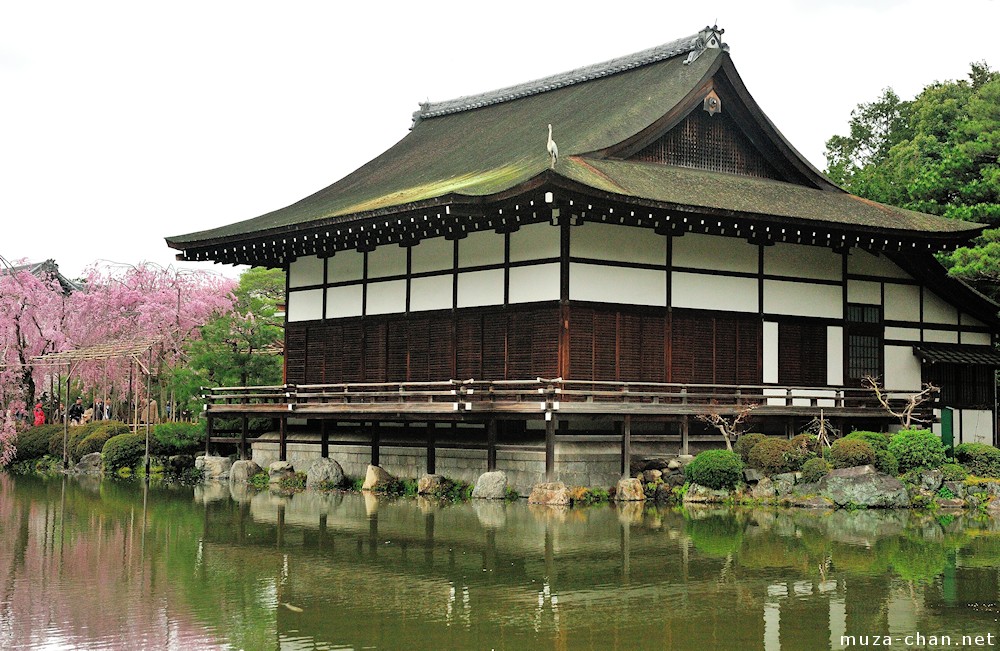 Source: pinterest.com
The constructed house is not a complete object to be maintained but a collection of living spaces on which people imprint. The single most defining characteristic of traditional Japanese architecture is the use of wood. The borders existing between structures and the natural world were deliberately obscure. The History of Japanese Architecture. Parts of traditional Japanese sukiya residential structure resembling a silhouette outlined by lengthy steady eaves are mixed with modern touches like a rooftop pool.
 Source: pinterest.com
In this paper the culture and innovative society of Japan has been evaluated by one of the leading authorities of Japan Beasley with the relation to traditional Japanese history. Stone buildings were not an option for earthquake-prone ancient Japan so wood was the chosen material. The borders existing between structures and the natural world were deliberately obscure. Sliding doors fusuma were used in place of walls allowing the internal configuration of a space to be customized for different occasions. Japan has had many architectural influences throughout its history which has led to there being many different types of buildings.
Source: pinterest.com
Stone buildings were not an option for earthquake-prone ancient Japan so wood was the chosen material. Download this video clip and other motion backgrounds special effects After Effects templates and more. 7 Unique Elements of Japanese Traditional Architecture Wood. Japan is known for its contrasting architecture. What Is Japanese Architecture.
 Source: ar.pinterest.com
In the foreign1950s and 1960s he designed several striking. The single most defining characteristic of traditional Japanese architecture is the use of wood. Japan has had many architectural influences throughout its history which has led to there being many different types of buildings. Stone buildings were not an option for earthquake-prone ancient Japan so wood was the chosen material. Sicherlich besitzen die traditionellen wie auch die modernen Gebäude eine besondere Ästhetik und Perfektion.
 Source: pinterest.com
Sliding doors fusuma were used in place of walls allowing the internal configuration of a space to be customized for different occasions. It is home to seven architects who have won the Pritzker Prize the highest honor that a person can receive in architecture. Whilst modern day Japan exemplifies innovative contemporary design and living. Download this video clip and other motion backgrounds special effects After Effects templates and more. Stone buildings were not an option for earthquake-prone ancient Japan so wood was the chosen material.
This site is an open community for users to do submittion their favorite wallpapers on the internet, all images or pictures in this website are for personal wallpaper use only, it is stricly prohibited to use this wallpaper for commercial purposes, if you are the author and find this image is shared without your permission, please kindly raise a DMCA report to Us.
If you find this site good, please support us by sharing this posts to your own social media accounts like Facebook, Instagram and so on or you can also bookmark this blog page with the title japanese architecture traditional by using Ctrl + D for devices a laptop with a Windows operating system or Command + D for laptops with an Apple operating system. If you use a smartphone, you can also use the drawer menu of the browser you are using. Whether it’s a Windows, Mac, iOS or Android operating system, you will still be able to bookmark this website.


